I. Introduction
- Definition of Water Baptism: An outward act symbolizing an inward change, where a believer publicly declares their faith in Jesus Christ. (Matthew 28:19)
- Definition of Baptism of the Holy Spirit: A spiritual experience where the Holy Spirit empowers the believer, often signified by spiritual gifts. (Acts 1:5, Acts 2:4)
II. Biblical Foundations of Water Baptism and the Holy Spirit
- Water Baptism as a Command
- Jesus’ command in the Great Commission:
“Go therefore and make disciples of all nations, baptizing them in the name of the Father, and of the Son, and of the Holy Spirit.” (Matthew 28:19) - Symbolizes repentance and cleansing from sin:
“John came baptizing in the wilderness and preaching a baptism of repentance for the remission of sins.” (Mark 1:4)
- Jesus’ command in the Great Commission:
- The Holy Spirit as a Promise
- John the Baptist distinguished between his baptism (water) and the coming baptism of the Holy Spirit:
“I indeed baptized you with water, but He will baptize you with the Holy Spirit.” (Mark 1:8)
- John the Baptist distinguished between his baptism (water) and the coming baptism of the Holy Spirit:
III. Relationship Between Water Baptism and the Holy Spirit in the New Testament
- Jesus’ Baptism as a Model
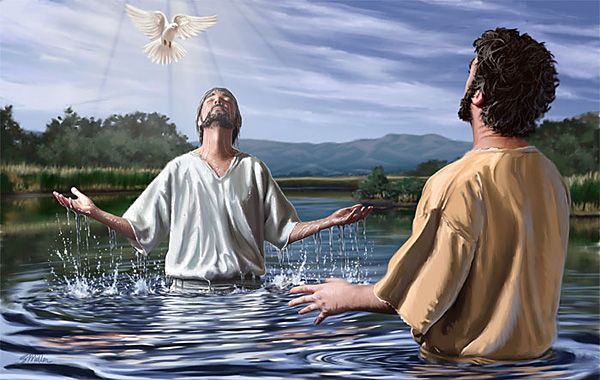
- Water Baptism: Jesus was baptized by John (Matthew 3:13-17).
- Holy Spirit: The Spirit descended like a dove, signifying God’s approval (Matthew 3:16-17).
- The Experience of Early Believers
- Acts 2:1-4: The disciples were baptized with the Holy Spirit on the Day of Pentecost, following their obedience to Jesus’ instruction to wait in Jerusalem (Acts 1:4-5).
- Acts 8:14-17: The believers in Samaria had been baptized in water but received the Holy Spirit when Peter and John laid hands on them.
- Acts 10:44-48: Cornelius’ household received the Holy Spirit before water baptism, illustrating the independence of the Holy Spirit’s baptism from water baptism.
IV. Distinct yet Complementary Roles
- Water Baptism as an Act of Obedience and Identification
- Represents dying to sin and rising to new life:
“We were therefore buried with Him through baptism into death.” (Romans 6:3-4)
- Represents dying to sin and rising to new life:
- Baptism of the Holy Spirit as Empowerment
- Provides boldness and spiritual gifts for ministry:
“But you will receive power when the Holy Spirit comes on you.” (Acts 1:8)
- Provides boldness and spiritual gifts for ministry:
V. Case Studies in the Book of Acts
- Philip in Samaria (Acts 8:12-17)
- People were baptized in water first but needed the apostles’ prayer to receive the Holy Spirit.
- Cornelius’ Household (Acts 10:44-48)
- The Holy Spirit fell upon them before water baptism, showing the Holy Spirit is not bound to the act of water baptism.
- Paul’s Conversion (Acts 9:17-18)
- Received the Holy Spirit through Ananias’ prayer and was baptized in water afterward.
VI. Key Theological Insights
- Unity in Purpose
- Water baptism and the Holy Spirit both point to the believer’s union with Christ and participation in God’s Kingdom.
- Differences in Function
- Water Baptism: Symbolizes cleansing and initiation into the body of Christ.
- Baptism of the Holy Spirit: Empowers for service and manifests spiritual gifts (1 Corinthians 12:4-11).
VII. Practical Applications
- Ensure Both Experiences
Believers are encouraged to experience both water baptism and the baptism of the Holy Spirit for a complete walk of faith. - Teach and Pray for the Holy Spirit
Ministers should teach new converts about the Holy Spirit’s work and pray for their baptism in the Holy Spirit (Luke 11:13).
VIII. Conclusion
- Water baptism and the Holy Spirit are distinct but interconnected experiences in the believer’s journey. Water baptism is a public declaration of faith, while the Holy Spirit’s baptism empowers believers to live victoriously and fulfill God’s mission.
- Both are essential parts of the Christian life, as evidenced by Jesus’ example and the early church’s practice.